
Transform Your Living Space: Expert Tips for a Dream Home & Kitchen
As we spend a significant amount of time indoors, it’s no wonder that our homes and kitchens have become an integral part of our daily lives. A well-designed and functional home and kitchen can not only boost our mood and productivity but also provide a sense of comfort and relaxation. However, with so many design options, appliances, and decor ideas available, it can be overwhelming to create a space that truly reflects our personality and meets our needs. In this comprehensive guide, we’ll dive into the world of home and kitchen design, providing you with expert tips, tricks, and inspiration to transform your living space into a dream haven.
Understanding Your Home and Kitchen Needs
Before we dive into the nitty-gritty of design and decor, it’s essential to understand your unique needs and preferences. Take some time to reflect on how you use your home and kitchen, and what features are non-negotiable for you. Do you have a large family or frequently host dinner parties? You may want to prioritize a spacious kitchen with ample counter space and a large dining area. Are you a busy professional who values convenience and efficiency? You might opt for a sleek, modern kitchen with smart appliances and a streamlined layout. By understanding your lifestyle and habits, you can create a space that is tailored to your specific needs and enhances your overall quality of life.
When it comes to home and kitchen design, there are several key elements to consider, including functionality, aesthetics, and sustainability. A well-designed space should not only look beautiful but also be functional, efficient, and environmentally friendly. Some popular design trends that incorporate these elements include minimalism, industrial chic, and eco-friendly materials. For example, you can incorporate sustainable materials like reclaimed wood, bamboo, or low-VOC paints into your design to reduce your carbon footprint. By prioritizing these elements, you can create a space that is not only stunning but also practical and responsible.
Kitchen Design and Layout
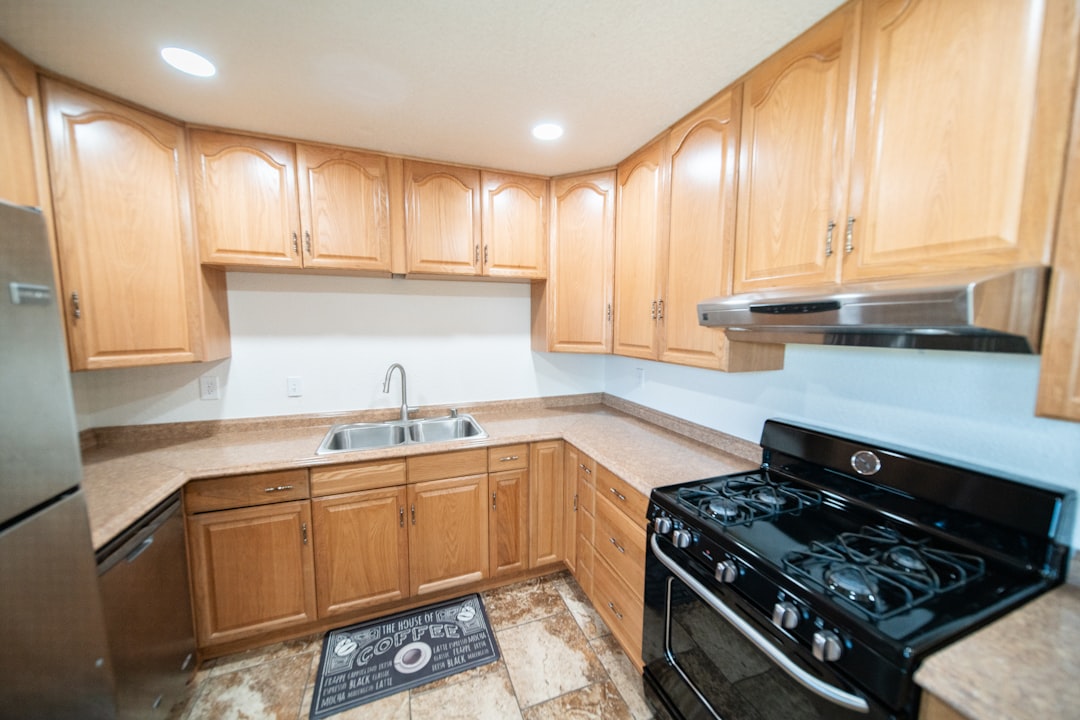
The kitchen is often considered the heart of the home, and its design can greatly impact the overall feel and functionality of the space. When it comes to kitchen design, there are several key considerations to keep in mind, including layout, appliances, and storage. A well-designed kitchen should have a logical workflow, with zones dedicated to cooking, prep work, and cleaning. The classic “work triangle” concept, which positions the sink, stove, and refrigerator in a triangular formation, is still a popular and effective layout option. However, you can also experiment with other layouts, such as a galley kitchen or an L-shaped kitchen, to find the one that works best for you.
In addition to layout, appliances and storage are also crucial components of a well-designed kitchen. With so many options available, from sleek, high-end refrigerators to compact, energy-efficient dishwashers, it’s essential to choose appliances that meet your needs and fit your budget. Consider investing in smart appliances, which can help you save time, energy, and money in the long run. For storage, consider incorporating a mix of open shelving, cabinets, and drawers to keep your kitchen organized and clutter-free. Some popular storage solutions include kitchen carts, island units, and pot racks, which can help keep your countertops clear and your kitchen running smoothly.
Home Decor and Organization
Once you’ve got your kitchen design and layout sorted, it’s time to think about home decor and organization. Your home should reflect your personality and style, and there are countless ways to add your unique touch to the space. From statement furniture pieces to colorful textiles and patterns, the options are endless. However, it’s essential to strike a balance between form and function, ensuring that your decor choices don’t compromise the overall functionality of the space.
When it comes to organization, there are several strategies you can use to keep your home and kitchen clutter-free. One popular approach is the “zone cleaning” method, which involves dividing your space into separate zones and cleaning one zone at a time. You can also incorporate storage solutions, such as baskets, bins, and shelves, to keep your belongings organized and out of sight. Some other tips for maintaining a tidy home include implementing a “one in, one out” policy, scheduling regular cleaning sessions, and enlisting the help of family members or roommates to share the load.
Sustainable and Eco-Friendly Options
As concern for the environment continues to grow, many homeowners are looking for ways to make their homes and kitchens more sustainable and eco-friendly. There are several ways to do this, from incorporating energy-efficient appliances and lighting to using eco-friendly materials and reducing waste. Some popular eco-friendly materials for home and kitchen design include bamboo, reclaimed wood, and low-VOC paints. You can also reduce your environmental impact by using public transportation, carpooling, or driving an electric or hybrid vehicle.
In addition to using eco-friendly materials, there are several other ways to make your home and kitchen more sustainable. For example, you can install solar panels or invest in a rainwater harvesting system to reduce your reliance on public utilities. You can also reduce food waste by planning your meals, using up leftovers, and composting food scraps. Some other eco-friendly tips for the kitchen include using reusable bags, containers, and water bottles, and choosing energy-efficient appliances and lighting.
Conclusion and Key Takeaways
Transforming your home and kitchen into a dream space requires careful planning, attention to detail, and a willingness to think outside the box. By understanding your unique needs and preferences, prioritizing functionality, aesthetics, and sustainability, and incorporating expert tips and tricks, you can create a space that is tailored to your lifestyle and enhances your overall quality of life. Some key takeaways to keep in mind include:
- Prioritize functionality, aesthetics, and sustainability when designing your home and kitchen
- Choose appliances and materials that meet your needs and fit your budget
- Incorporate storage solutions and organization strategies to keep your space clutter-free
- Consider eco-friendly materials and practices to reduce your environmental impact
- Don’t be afraid to think outside the box and try new things – it’s your home, and it should reflect your unique personality and style!
By following these tips and staying true to your vision, you can create a home and kitchen that is not only beautiful but also functional, efficient, and sustainable. Happy designing, and don’t forget to have fun along the way!