
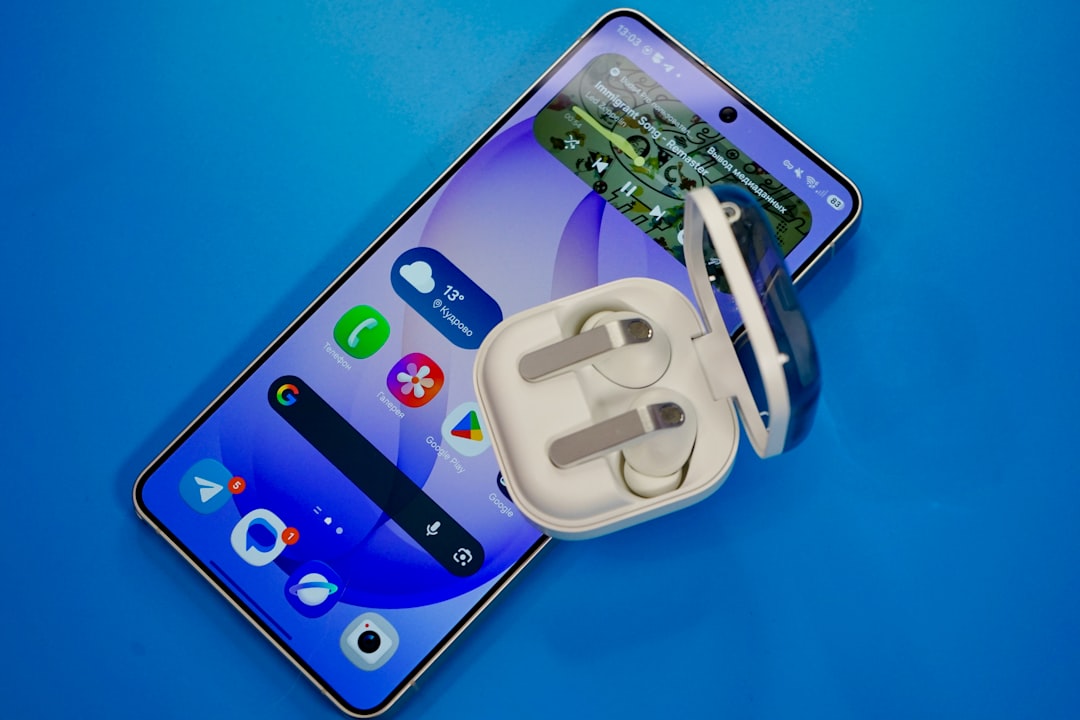
Title: The Ultimate Guide to Electronics & Gadgets: Trends, Tips, and Buying Hacks for 2024
—
Hooked on Tech? Why Your Next Gadget Matters More Than Ever
Imagine waking up to a sunrise that’s perfectly synced with your smart blinds, a coffee maker that brews the exact temperature you love, and a smartwatch that nudges you to stand before you even feel the fatigue. That’s not a sci‑fi fantasy—it’s the everyday reality of today’s electronics and gadgets ecosystem. With new releases dropping every month, staying ahead of the curve can feel overwhelming. This guide cuts through the noise, giving you clear, actionable insights so you can choose the right devices, maximize their value, and future‑proof your tech collection.
—
1. Spotting the Hottest Tech Trends of 2024
#### a. AI‑Powered Personal Assistants Go Mainstream
Artificial intelligence is no longer confined to chatbots. Voice‑activated hubs like Amazon Echo Show 10 and Google Nest Hub Max now incorporate on‑device AI that processes requests locally, delivering faster responses and better privacy. When shopping for a smart speaker, look for:
- Local AI processing – reduces latency and keeps data on the device.
- Multi‑room audio – seamless playback across rooms.
- Built‑in smart home hubs – Zigbee, Thread, or Matter support for broader device compatibility.
- Check the durability rating – look for IPX8 water resistance and MIL‑STD‑810G tests.
- Prioritize software optimization – apps that adapt to multiple screen sizes provide a smoother experience.
- Consider the price‑to‑performance ratio – a high‑end model may be worth it only if you’ll use multitasking heavily.
- Look for repairability scores – iFixit’s rating system tells you how easy it is to replace batteries or screens.
- Check for trade‑in programs – many retailers offer credit toward a new purchase when you return your old device.
- Prioritize energy‑efficient certifications – ENERGY STAR and EPEAT indicate lower power consumption.
- Smart thermostat schedule – program your Nest or Ecobee to lower heating when you’re at work and ramp up before you return.
- Lighting scenes – use Philips Hue or LIFX to create “Movie Night” and “Morning Wake” scenes that dim or brighten with a single voice command.
- Leak detection alerts – install a Fibaro Flood Sensor under sinks; receive instant push notifications if moisture is detected.
- Processor & RAM – for smartphones, a Snapdragon 8 Gen 3 or Apple A‑series chip paired with at least 6 GB RAM ensures smooth multitasking.
- Battery life – prioritize devices that can last at least 10 hours of active use; check real‑world tests, not just manufacturer claims.
- Display quality – aim for OLED or AMOLED panels with a minimum of 90 % DCI‑P3 color gamut for vivid media consumption.
- Long‑term reliability – do users report overheating or software bloat after six months?
- Software support – Android phones should receive at least three years of OS updates; Apple devices typically get five.
- After‑sales service – warranty length, repair turnaround time, and availability of authorized service centers.
- Setting a price‑alert on sites like CamelCamelCamel or Keepa for Amazon products.
- Checking price history – a 20 % discount may still be above the typical low‑price point.
- Ensuring return policies – a 30‑day hassle‑free return window protects you if the gadget doesn’t meet expectations.
- Microfiber cloths dampened with 70 % isopropyl alcohol for screens.
- Compressed air for keyboards and ports—avoid blowing directly into speakers.
- Keep charge between 20 %–80 % for daily use; only charge to 100 % when you need maximum runtime.
- Avoid extreme temperatures – store devices in a cool, dry place; avoid leaving them in a hot car.
- Enable “Optimized Battery Charging” (iOS) or “Battery Saver” (Android) to limit full‑charge duration.
- Extended Reality (XR) Devices – Apple’s rumored Vision Pro and Meta’s Quest 3 hint at mainstream AR/VR adoption. If you’re a developer or gamer, consider a device with hand‑tracking and high‑resolution passthrough.
- 5G‑Enabled Wearables – Beyond just connectivity, 5G will enable real‑time health monitoring and low‑latency cloud gaming on watches and earbuds. Look for wearables that support eSIM for independent cellular use.
- Quantum‑Resistant Encryption – As quantum computing matures, manufacturers will embed post‑quantum cryptography in routers and IoT devices. Keep an eye on firmware updates that mention “quantum‑safe” security.
#### b. Foldable and Dual‑Screen Devices Take Center Stage
The era of clunky tablets is fading. Samsung’s Galaxy Z Fold 5 and Microsoft’s Surface Duo 2 showcase ultra‑thin hinges, stronger glass, and battery life that can survive a full workday. If you’re eyeing a foldable:
#### c. Sustainable Electronics Are No Longer Niche
Eco‑conscious consumers are driving manufacturers toward recyclable materials, modular designs, and carbon‑neutral production. Brands like Fairphone, Dell’s “Circular Economy” line, and Apple’s recycled aluminum chassis are setting new standards. When evaluating sustainability:
—
2. Building a Smart Home That Works for You
#### a. Start with a Robust Hub
A reliable hub is the backbone of any smart home. While many devices claim “works with Alexa” or “Google Assistant,” the Matter protocol is emerging as the universal language for IoT. Choose a hub that supports Matter, Thread, and Zigbee to avoid future compatibility headaches. Popular options:
| Hub | Matter Support | Built‑in Voice | Price |
|—–|—————-|—————-|——-|
| Amazon Echo Pop | ✅ | Alexa | $49 |
| Google Nest Hub (2nd gen) | ✅ | Google Assistant | $99 |
| Apple HomePod mini | ✅ | Siri | $99 |
#### b. Prioritize Security From Day One
Every connected device is a potential entry point for hackers. Follow these best practices:
1. Change default passwords and use a password manager to generate strong, unique credentials.
2. Enable two‑factor authentication (2FA) on your hub and any cloud services.
3. Segment your network – create a dedicated Wi‑Fi SSID for IoT devices, keeping them separate from laptops and phones.
#### c. Automate for Comfort and Savings
Automation isn’t just about convenience; it can cut utility bills. Here are three quick automations you can set up in under five minutes:
—
3. Buying Guide: How to Choose the Right Gadget for Your Lifestyle
#### a. Define Your Primary Use‑Case
Before you click “Add to Cart,” answer three questions:
1. What problem am I solving? (e.g., staying fit, improving productivity, entertainment)
2. How often will I use it? (daily, occasional, seasonal)
3. What ecosystem am I already invested in? (Apple, Android, Windows)
#### b. Compare Specs, Not Just Numbers
A higher megapixel count doesn’t always mean better photos. Look for balanced specifications:
#### c. Read Independent Reviews & Community Feedback
While manufacturer sites highlight strengths, forums like r/gadgets, YouTube review channels, and professional sites (The Verge, CNET) reveal real‑world pros and cons. Pay attention to:
#### d. Leverage Seasonal Deals Wisely
Black Friday, Prime Day, and back‑to‑school sales are prime moments to snag discounts. However, avoid the “deal trap” by:
—
4. Maintaining Your Electronics for Longevity
#### a. Clean Smartly, Not Harshly
Dust and grime can degrade connectors and screens. Use:
#### b. Battery Health Hacks
Lithium‑ion batteries lose capacity over time, but you can slow the process:
#### c. Software Updates Are Security Updates
Never skip firmware updates. They often patch vulnerabilities, improve performance, and add new features. Set devices to auto‑install updates overnight to stay protected without interrupting your workflow.
—
5. Future‑Proofing: What’s Next on the Horizon?
—
Conclusion: Key Takeaways for the Modern Gadget Enthusiast
1. Stay trend‑aware but selective – AI assistants, foldables, and sustainable electronics dominate 2024, yet only adopt what aligns with your lifestyle.
2. Build a secure, interoperable smart home – Choose a Matter‑compatible hub, segment your network, and automate wisely for comfort and cost savings.
3. Buy smarter, not cheaper – Define your use‑case, compare balanced specs, and rely on independent reviews before splurging.
4. Extend device lifespan – Regular cleaning, mindful charging, and prompt updates keep gadgets performing longer and protect your investment.
5. Plan for the future – Keep tabs on XR, 5G wearables, and emerging security standards to ensure your tech ecosystem remains relevant.
By applying these strategies, you’ll not only navigate the ever‑expanding world of electronics and gadgets with confidence, but you’ll also curate a tech environment that enhances productivity, entertainment, and everyday comfort. Happy hunting, and may your next gadget be the perfect blend of innovation, value, and longevity!